
There are many romantic legends about the origin of glass. Pliny the Elder, an ancient Roman scholar, recounted in his "Natural History" the process of glass discovery that people always believed in ancient times: According to legend, there were some sailors who were cooking to eat on the seashore in what is now Lebanon. The large stones were used to make the fire and the pot was replaced by the sodium carbonate ore brought with the ship. "When these minerals are heated and fully fused with the sand on the beach, a strange liquid starts to flow. It is said that this is the origin of glass."
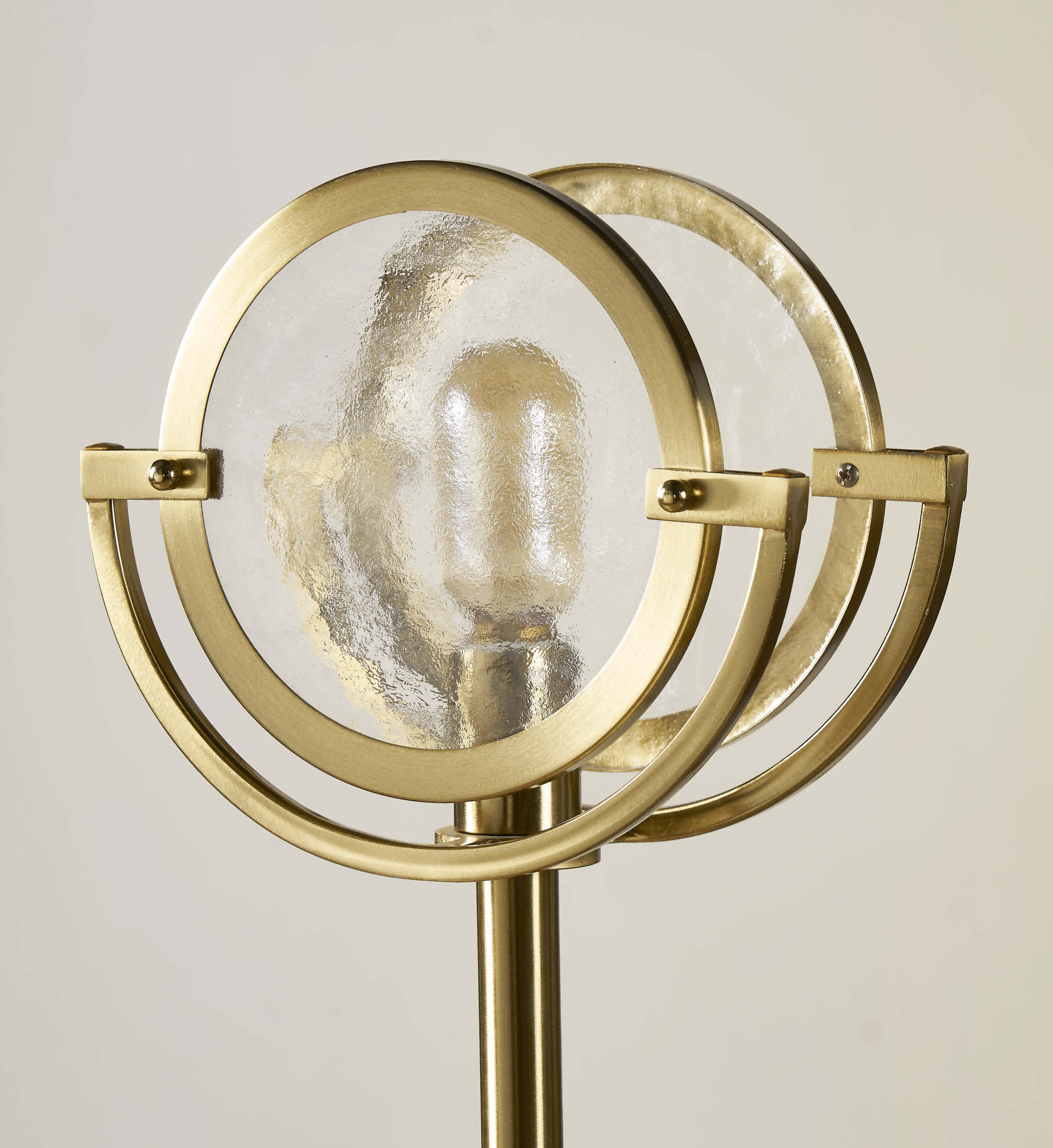
Frosted Glass
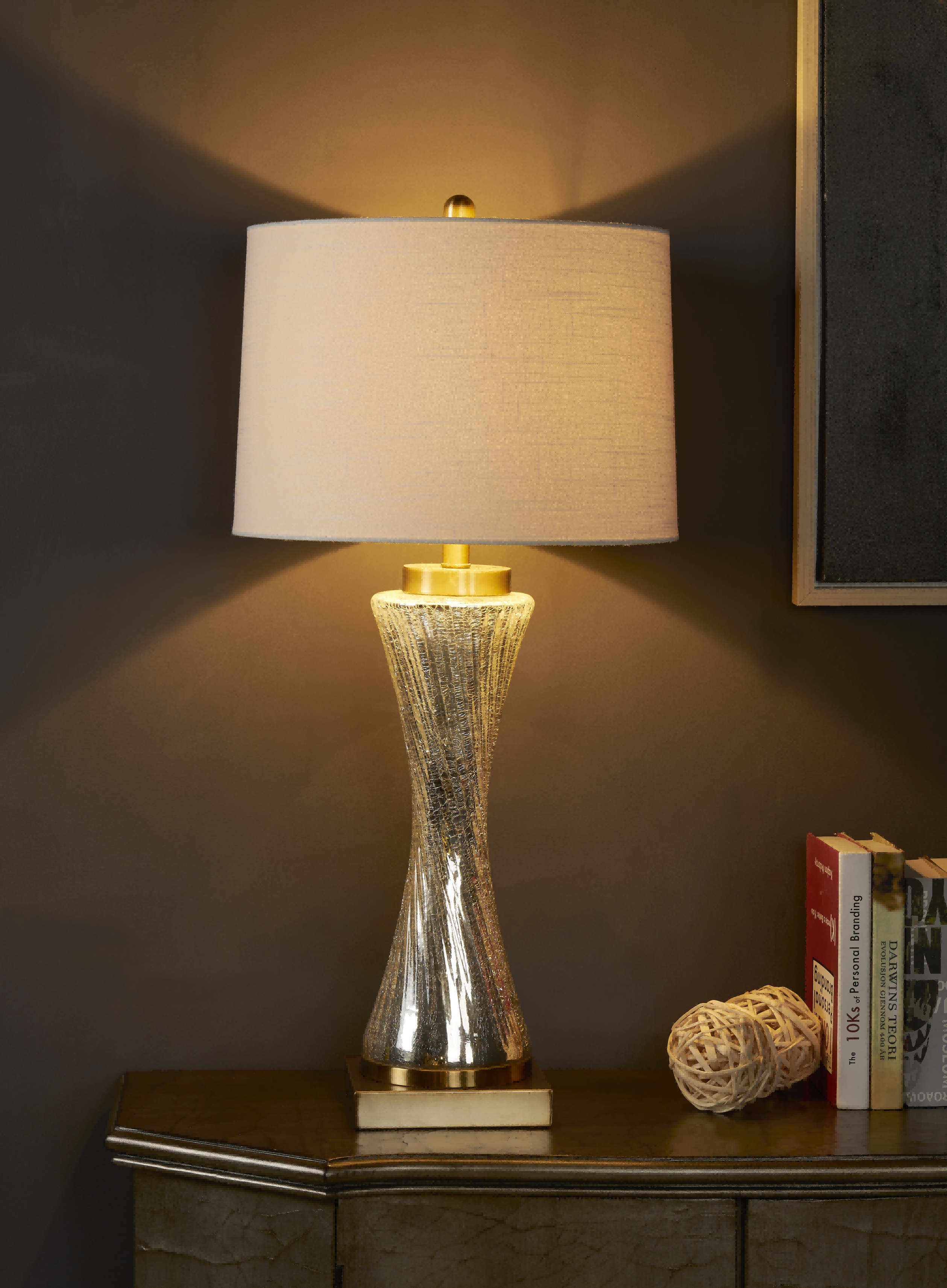
Cracked Glass
After reading this story, you probably understand that sand can be used as a raw material for glass. The material composition of glass is mainly composed of three parts: basic raw materials, cosolvents and colorants.
The basic component of glass is silica, mainly derived from quartz sand. The purer the quartz sand, the purer the glass. When the silica content is higher, a higher melting temperature is required. The melting point of silica is as high as about 1600 ℃, and the co-solvent can make the glass soften at a lower temperature. The commonly used co-solvents are soda ash, boric acid, etc.
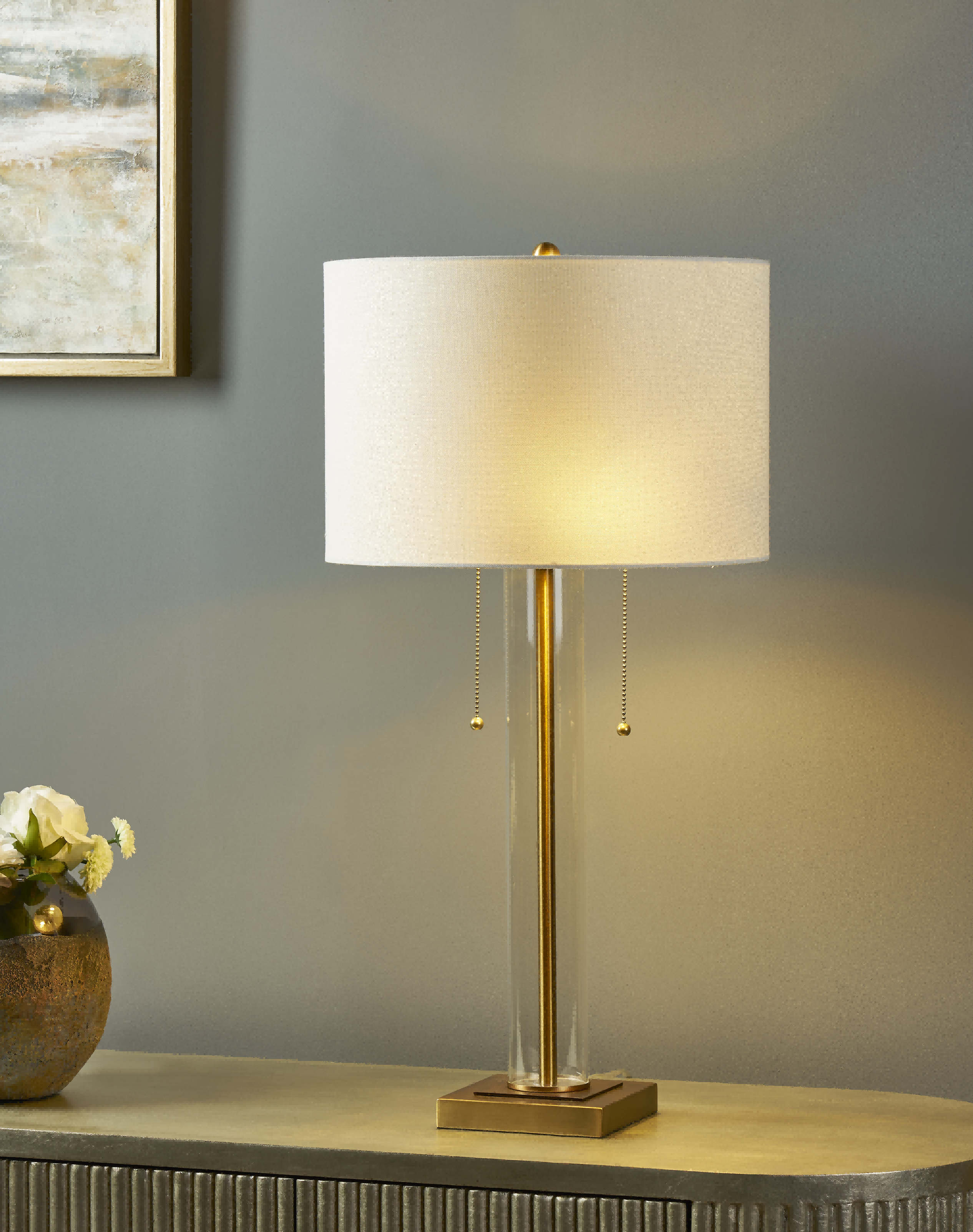
Crestview Collection Glass Lamp
Adding different metal oxides to the glass raw material can make the glass have different selectivity for the absorption of light and display different colors. These metal oxides are colorants. This is not uncommon knowledge, but the ratio of quantity can determine whether the color is pure or not, which is the unique trick of each family.
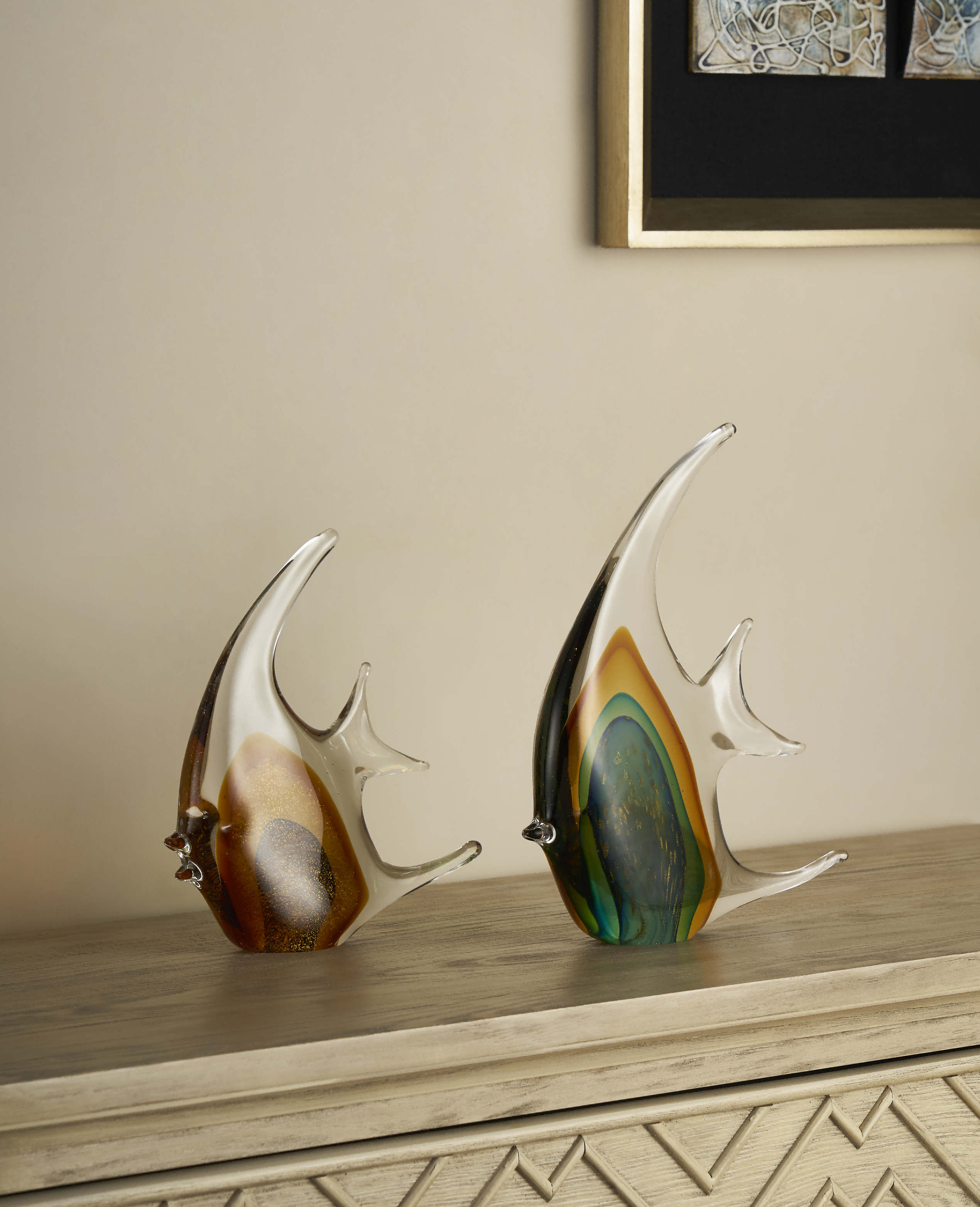
Crestview Collection Fish Glass Accessories
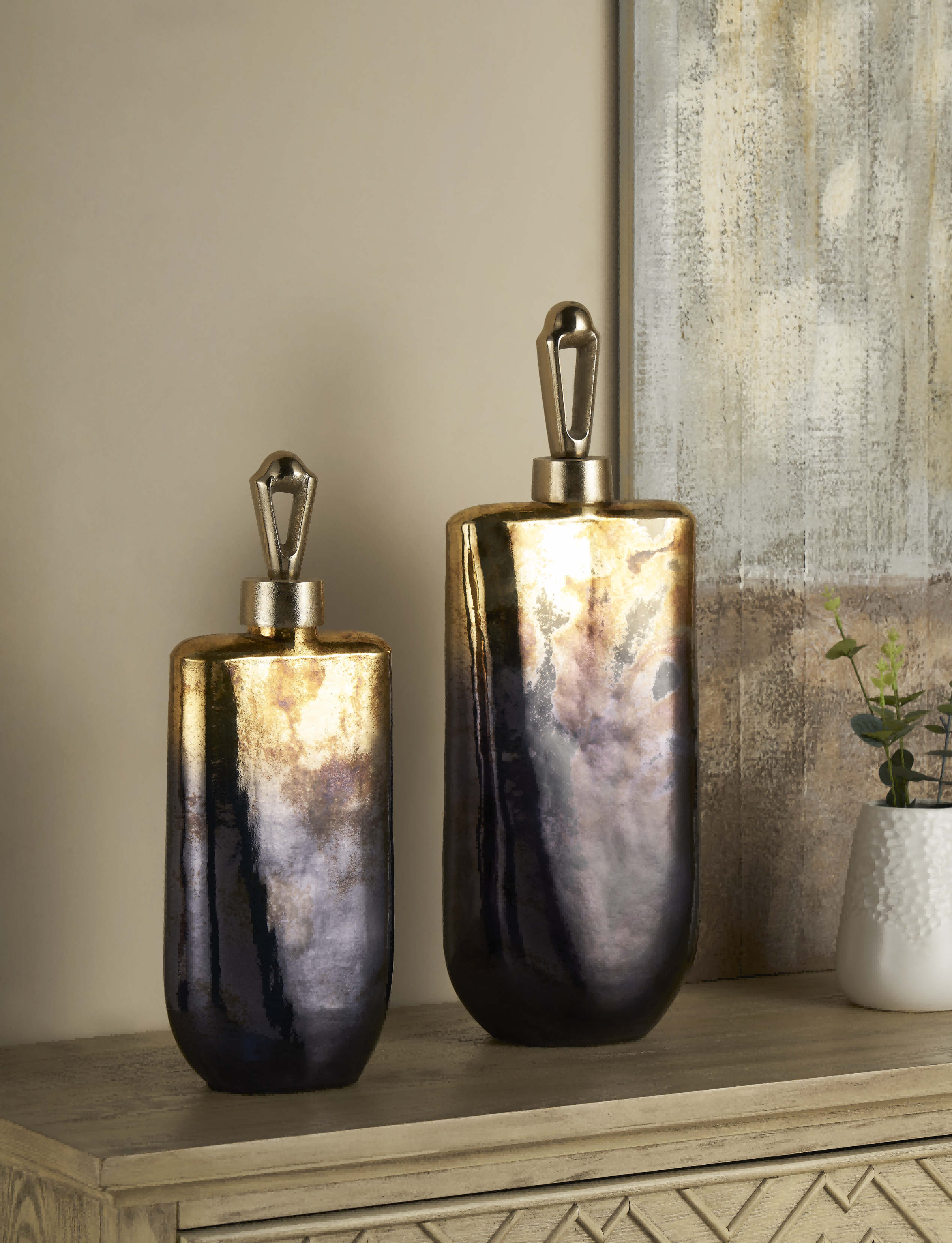
By adding different metal oxides, the glass color changes.
Although the main components are all silica, crystal is a natural crystalline mineral, while glass is just a molten mixture containing silica. Natural crystals are mainly produced in pegmatite veins or geodes, which have extremely high requirements on the environment. Although there are many origins, the price of raw materials is not cheap, and the hardness of the crystal is Mohs hardness 7, so it is not easy to cut and engrave.
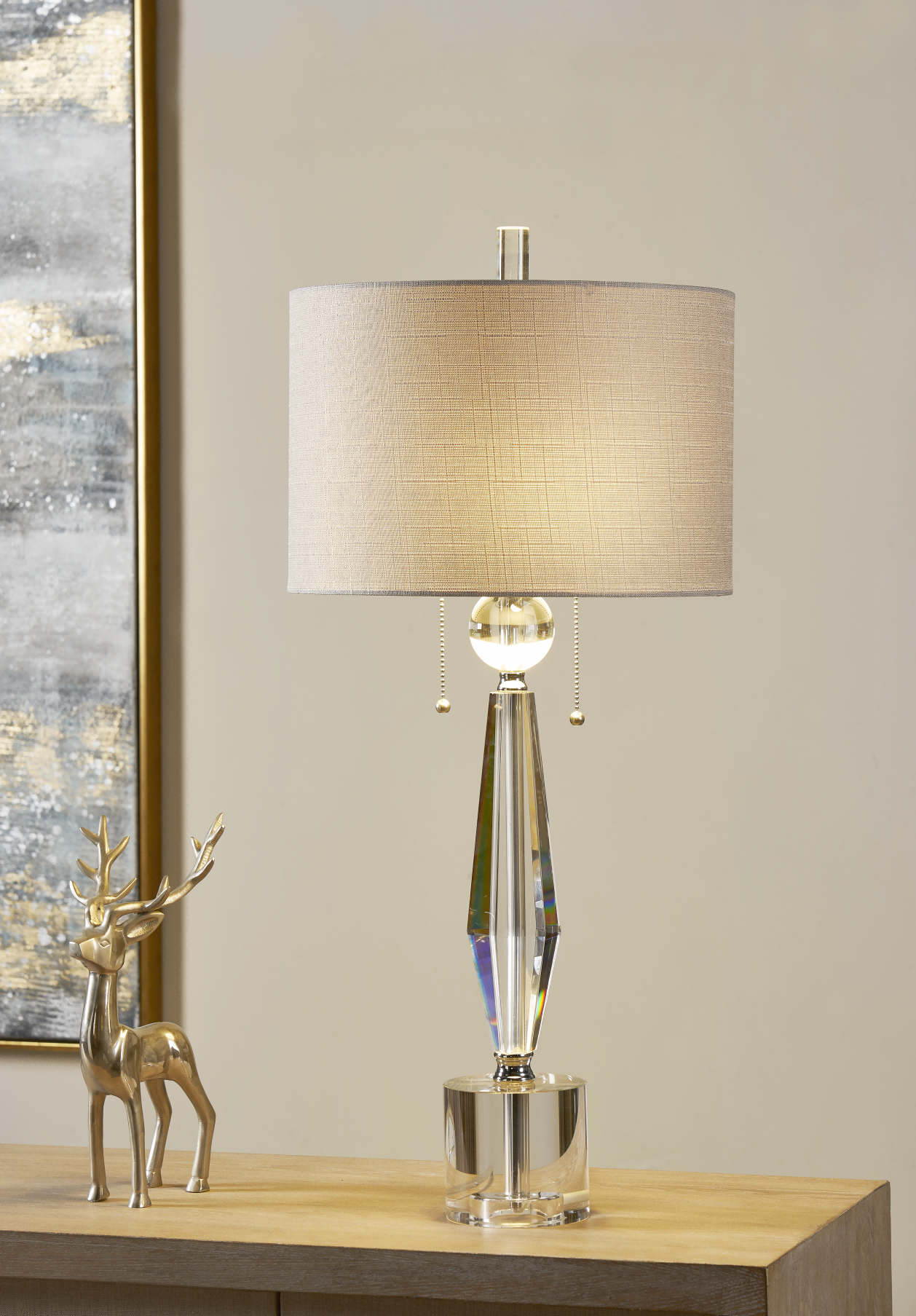
Crestview Collection Crystal Lamp
Almost all "crystal cups" on the market are actually made of lead crystal glass. High-quality lead crystal glass can be very close to the texture of natural crystal, and can be shaped into richer forms by virtue of its flexible and rigid characteristics.
Lead crystal was born when the British were exploring the production of Venetian glass. Adding lead oxide to the glass raw material can reduce the hardness of the glass and make it easier to cut, while increasing the density of the glass, improving the transparency and refractive index. Therefore, the glass made of lead glass feels heavy in the hand and is particularly dazzling and moving. The EU stipulates that lead crystal glass with a lead oxide content greater than or equal to 24% does not need to contain the word glass.
I believe that many people's understanding of glass making comes from the scene of glass blowing. The principle of blowing glass is very similar to that of blowing a balloon, which is to use the ductility of the glass frit to expand the frit bubble by blowing air, and then use tools to shape it. The pressed glass is to press the softened glass frit into the mold, and use the space between the inner and outer molds to shape.
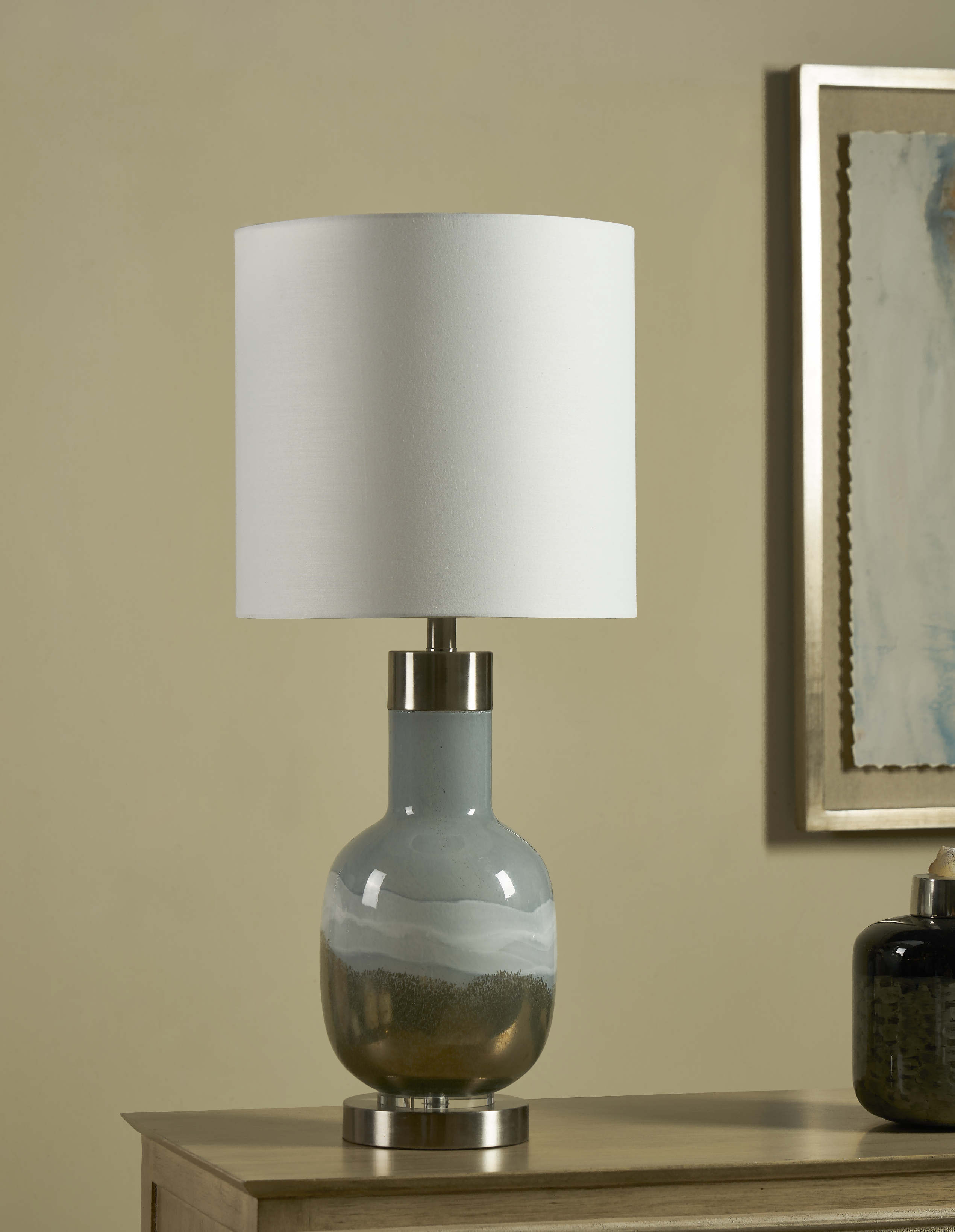
Crestview Collection Blown Glass Table Lamp
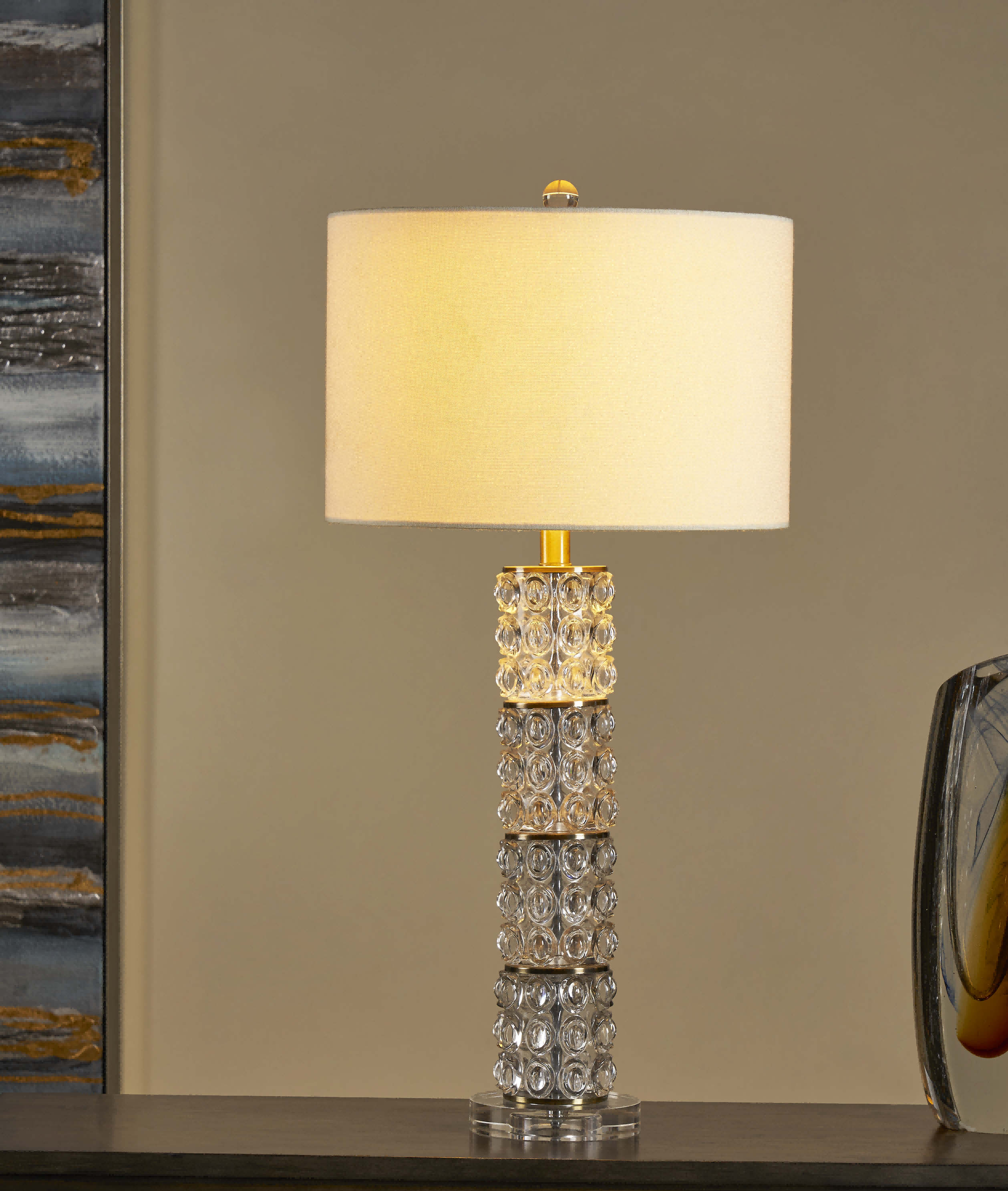
Crestview Collection Pressed Glass Table Lamp
In fact, the craftsmanship doesn't say which is better between blown glass and pressed glass, but different processes are adopted for different needs. If you want to make a very thin glass, you can only blow it, and the pressed glass is generally thicker. But if you are making some glassware with special shapes, pressing may be a better choice.


